ERP has long been the operational core of large organizations. It connects finance, operations, people, and supply chains into a single system of record.
But the role of ERP is changing.
In a business environment shaped by real-time data, rapid market shifts, and rising complexity, enterprises need more than systems that store information. They need systems that interpret it.
This is why AI-powered ERP is becoming a strategic priority.


1. ERP Is Moving from Record-Keeping to Insight Generation
Traditional ERP systems are excellent at capturing what has already happened. They log transactions, track inventory, and document workflows with precision.
Artificial intelligence adds a new layer of capability to enterprise systems. By analyzing historical data, behavioral patterns, and external signals, AI transforms ERP from a system of record into a system of insight.
Instead of waiting for reports, leaders gain early signals. Instead of reacting to issues, teams can prevent them. This shift changes how enterprises plan and operate.
2. How AI Changes Daily Enterprise Decisions
The real impact of AI in ERP is not abstract. It shows up in everyday decisions across the organization.
- In operations, AI helps forecast demand, optimize inventory levels, and identify bottlenecks before they disrupt production.
- In finance, AI improves forecasting accuracy, flags irregularities, and supports compliance with greater consistency.
- In human resources, AI surfaces workforce trends, predicts turnover risks, and supports more informed hiring plans.
In each case, ERP evolves from a transaction engine into a decision-support system.
3. Smarter ERP Works with People, Not Around Them
One of the biggest challenges of traditional ERP systems has always been usability. Complex interfaces and rigid workflows often slow teams down.
AI changes how people interact with enterprise software.
Modern smart ERP platforms adapt to users. They surface insights based on role, context, and behavior. A finance leader sees cash flow risk. A project manager sees schedule pressure. An operations team sees supply constraints.
With natural language interfaces, users can ask questions instead of searching through menus. This reduces training time and increases adoption across the organization. When ERP works the way people think, it becomes a tool teams trust.


4. Reducing Risk While Improving Efficiency
AI also strengthens enterprise control.
By continuously monitoring data quality and behavior patterns, AI-powered ERP systems can detect anomalies, prevent errors, and automate approvals with higher accuracy. Over time, the system learns what “normal” looks like and flags exceptions early.
This improves efficiency without sacrificing governance. Enterprises gain speed while maintaining oversight.
5. AI in ERP Is Already Delivering Results
Manufacturing organizations use AI-enabled ERP to predict component shortages and reduce downtime. Logistics companies apply AI forecasting to improve delivery accuracy and fuel efficiency. Finance teams rely on AI-driven insights to close books faster and with fewer errors.
These outcomes demonstrate that AI in enterprise systems is no longer theoretical. It is operational and measurable.
6. AI Is Becoming Fundamental to ERP Strategy
As AI capabilities mature, enterprises are no longer treating intelligence as an add-on. It is becoming a core expectation.
ERP platforms are evolving to include predictive analytics, automation, and intelligent recommendations by default. Organizations that delay this transition risk falling behind, not because they lack data, but because they cannot extract value from it fast enough.
Choosing the right ERP strategy today means choosing how intelligently your enterprise will operate tomorrow.
7. Intelligence Is the New Enterprise Advantage
Smart ERP goes further. It helps enterprises understand complexity and act with confidence.
AI-powered ERP enables better planning, faster decisions, and more resilient operations. For organizations navigating growth and uncertainty, intelligence is no longer optional.
“Will AI replace my job?” is no longer a hypothetical question. It is a real concern I hear from managers, team leaders, and professionals across industries.
After working closely with AI systems in real business environments, my perspective is simple. AI is not replacing people. It is reshaping how work is done and what skills matter most.
The real shift is not technological. It is human.


1. AI Is Redefining Work at the Task Level
Artificial intelligence does not replace roles overnight. It replaces tasks.
In today’s workplace, AI automation is increasingly handling repetitive and operational work such as data processing, reporting, scheduling, document management, and basic analysis. These are tasks that slow teams down, not tasks that define human value.
When AI takes over routine execution, employees gain time and mental space to focus on thinking, decision-making, and problem-solving. This is how intelligent workplaces improve productivity without burning people out.
AI removes friction from work so humans can focus on outcomes.
2. From Automation to Augmentation
The most effective organizations do not use AI to cut people out. They use it to make people better at what they already do.
This is where human AI collaboration becomes critical.
Marketing teams use AI to analyze customer behavior and campaign performance, but human insight still shapes the message. Engineers rely on predictive analytics, while human expertise determines priorities and risk. HR teams use AI to identify engagement patterns, while leaders decide how to support their people.
AI provides clarity. Humans provide context.
This shift is creating a new standard in the future of work: the augmented professional, someone who combines human judgment with machine intelligence.
3. Why Human Skills Are Becoming More Valuable
Despite its capabilities, AI has clear limitations.
It does not understand emotion, ethics, or nuance in the way humans do. It cannot lead through uncertainty, build trust during change, or inspire people toward a shared goal.
As AI in the workplace becomes more common, skills like emotional intelligence, leadership, creativity, and communication become even more important. These are the skills that drive collaboration, innovation, and long-term growth.
Technology may accelerate work, but people give it meaning.


4. Trust Determines Whether AI Empowers or Alienates
One of the biggest factors in successful AI adoption is trust.
Employees need transparency around how AI systems work, what data they use, and how decisions are made. When AI feels like a black box, resistance grows. When it feels like a support system, adoption follows naturally.
Intelligent workplaces prioritize clear communication and ethical AI use. They position AI as a tool that enhances human capability, not as a mechanism for control.
5. The Future of Work Is Built on Balance
The future of work is not about choosing between humans and machines.
The most successful organizations are building environments where AI automation and human intelligence complement each other. AI handles speed, scale, and data. Humans handle judgment, creativity, empathy, and values.
This balance creates workplaces that are both high-performing and human-centered. Productivity improves, but so does engagement, satisfaction, and purpose.
6. AI Empowers When People Come First
AI will continue to transform jobs, workflows, and industries. That change is inevitable. What is not inevitable is displacement.
When designed thoughtfully, AI removes limitations rather than replacing people. It allows teams to focus on meaningful work and organizations to grow without losing their human core.
At BeyondEdge, we believe technology should always serve people. Because in intelligent workplaces, the real advantage is not artificial intelligence. It is human intelligence, supported by the right tools.
From Innovation to Impact
At BeyondEdge, every line of code, every product we design, and every partnership we build is driven by one belief: technology should move people forward.
Over the years, we have grown from a small solutions provider into a trusted digital partner for organizations that want to make real, lasting change. From logistics and retail to F&B and enterprise systems, our journey has been a story of curiosity, resilience, and transformation. Each challenge has prepared us for what comes next.
As we celebrate another milestone, we are turning our focus to the future, one that lies in two areas that touch every life: Property and Healthcare.
Why Property and Healthcare?
Both Property and Healthcare are deeply human at their core. They influence how we live, work, and care for ourselves. Yet both sectors are undergoing a rapid digital transformation.
In Property, the future belongs to connected communities, where data, sustainability, and seamless experiences define modern living.
In Healthcare, the next frontier lies in personalized, accessible, and preventive care powered by digital systems that put people first.
BeyondEdge’s experience in building high-impact, scalable systems gives us a strong foundation to innovate at this intersection of technology and humanity.

Building the Smart Property Ecosystem
Our experience in digital ecosystems has shown us how powerful integration can be.
Through projects such as FairPrice Group, City Energy, and iShopChangi, we’ve helped unify multiple systems into smooth, user-centered platforms.
Now, we are bringing that expertise into the world of Property Technology (PropTech) to create intelligent ecosystems that transform how properties are managed, experienced, and sustained.
Imagine communities where residents, service providers, and management teams connect through one seamless digital hub.
Imagine data insights that help optimize energy use, improve security, and create better living experiences.
And imagine mobile-first tools that make daily life simpler, from maintenance requests to community engagement.
BeyondEdge’s next wave of PropTech innovation focuses on scalability, integration, and human-centered design, bridging the gap between technology and everyday living.

Reimagining Digital Healthcare
Our earlier projects have already taken us into the healthcare space, from SATS’ Food Temperature Monitoring System, which ensures food safety and compliance, to the Fertility Guide App, which empowers users through personal health data, expert guidance, and community support.
These experiences have inspired us to go further.
Healthcare is no longer confined to hospitals or clinics. It’s becoming personal, mobile, and proactive.
We envision a digital healthcare future where patients and doctors stay connected through secure, intuitive platforms.
Where AI and data analytics provide predictive insights that lead to better care and early prevention. And where people have full access to their health information, transparent, empowering, and easy to understand.
Our upcoming healthcare initiatives will focus on personalization, accessibility, and trust, helping providers and patients navigate the future of care with confidence.

Empowering the Future with AI and Integration
As we expand into Property and Healthcare, AI-driven solutions will remain at the core of our development strategy.
We are investing in:
- Predictive Analytics to enable smarter decisions in operations, maintenance, and health management
- Automation and IoT to create connected ecosystems that minimize manual work and improve precision
- Data Security and Privacy to ensure that every digital experience is built on trust and responsibility
- By combining human understanding with advanced technology, BeyondEdge aims to create platforms that do more than support operations
Looking Forward: Innovation with Purpose
Our journey has never been just about technology. It has always been about people, progress, and partnership.
We will continue to stand beside forward-thinking organizations, from startups to global enterprises, that believe in sustainable innovation.
As we step into the next chapter focused on Property and Healthcare, our mission remains clear: to deliver
meaningful, measurable, and human-centered solutions.
- To our partners who have trusted us through every stage, thank you.
- To those we will meet in the future, we’re ready to build what’s next, together.
Here’s to BeyondEdge 2026 and beyond, where technology meets purpose and innovation creates a better tomorrow.
In 2025 and beyond, digital transformation is no longer about digitizing processes – it’s about intelligently automating and predicting them. Artificial Intelligence (AI) has become the beating heart of modern enterprises, redefining how decisions are made, operations are scaled, and customers are served.
As global competition intensifies and businesses seek smarter ways to grow, enterprises across Southeast Asia are realizing one truth: the future belongs to those who can harness AI not just as a tool, but as a strategic advantage.
1. From Digital Transformation to Intelligent Transformation
The first wave of digital transformation was about shifting from paper to pixels – adopting ERP systems, CRMs, and cloud platforms to centralize and streamline operations.
But in 2025–2026, that’s no longer enough. The new wave is intelligent transformation – systems that learn, adapt, and act without constant human direction.
Imagine an ERP that forecasts cash flow fluctuations, flags supply chain risks before they happen, or suggests project allocations based on performance data. That’s the AI-powered difference – a move from data management to data intelligence. That’s the AI-powered difference – a move from data management to data intelligence.
2. Predictive Is the New Productive
Modern enterprises are moving from reporting the past to predicting the future. AI’s predictive capabilities allow companies to anticipate market changes, customer behaviors, and resource needs in real time.
For instance, leading manufacturers in Singapore and Malaysia are using AI to predict equipment failures, reducing downtime by up to 40%. Financial firms leverage AI-driven analytics to detect fraudulent activities before they escalate. The message is clear: in 2025, being proactive is the new productivity.

3. Human + AI: The Collaborative Advantage
Contrary to the fear that AI will replace humans, the most successful enterprises in 2025–2026 are those that design workflows around AI-human collaboration.
AI handles the repetitive – sorting, scheduling, data entry – while humans handle the strategic – judgment, creativity, relationships. This synergy not only boosts productivity but also creates more meaningful work.
Employees can focus on innovation while AI ensures the foundation runs seamlessly in the background.

4. Southeast Asia: A Region Ready to Leap
Southeast Asia is uniquely positioned to lead the next AI transformation wave.
With strong digital adoption, young workforces, and government initiatives supporting smart manufacturing, logistics, and fintech – the region has the agility to integrate AI faster than mature markets.
From Vietnam’s AI – powered logistics startups to Indonesia’s smart retail platforms, regional enterprises are proving that innovation doesn’t depend on size – but on mindset.

5. What This Means for Businesses Today
The message for business leaders is simple:
-
AI is no longer a “future investment.” It’s the infrastructure of your competitiveness
-
Enterprises that start integrating AI across their ERP, CRM, and analytics systems today will define their industries tomorrow.
-
The transformation journey begins not with massive change, but with data readiness, strategic alignment, and the right technology partners – ones that understand how to merge intelligence with enterprise reality.
The Future Is Learning
As we move into 2026, enterprises won’t just be digital they’ll be intelligent ecosystems that continuously learn and improve.
The businesses that succeed will be those that treat AI not as a cost, but as a core capability – one that shapes every process, decision, and customer interaction.
At BeyondEdge, we believe digital transformation isn’t just about keeping up – it’s about staying ahead. And in the AI era, the edge truly belongs to those who think beyond.
For years, AI has been treated like the future. Something to think about someday.
But here’s the reality: in Southeast Asia, “someday” is already here.
While some businesses are still debating if AI is relevant to them, their competitors are already using it to cut costs, move faster, and serve customers better. The cost of waiting is no longer theoretical — it’s real, and it’s growing.
The Hidden Costs of Delay
When enterprises hesitate to adopt AI, they don’t just stand still — they fall behind. Here’s what that looks like in practice:
- Lost Productivity – Routine, manual tasks like document sorting, data entry, and approvals eat up hours that AI could automate in seconds.
- Slower Decision-Making – Competitors using AI-powered analytics can react to market shifts faster, while laggards get stuck analyzing spreadsheets.
- Customer Frustration– Businesses without AI-enabled customer support keep customers waiting. Competitors resolve issues instantly and win loyalty.
- Rising Operational Costs – Every year of delay means spending more on human hours, paper processes, and inefficiencies that AI could eliminate.

Competitors Aren’t Waiting
Across industries – from retail to manufacturing to financial services – early adopters are already reporting measurable results.
- A regional logistics company used AI to optimize delivery routes, cutting fuel costs by 15%.
- A mid-sized bank in Singapore introduced AI-driven document processing and reduced loan approval times from days to hours.
- Retailers using AI recommendations are seeing higher conversion rates and stronger repeat purchases.
Small Steps Matter
The good news: adopting AI doesn’t mean overhauling your entire business overnight.
Start small. Automate one workflow. Use AI tools to analyze one area of customer data.
Even modest experiments can deliver quick wins — and, more importantly, build confidence for larger-scale adoption.
Doing Nothing Is the Riskiest Choice
The biggest misconception is that delaying AI adoption is the “safe” option. In reality, it’s the most dangerous move
In fast-moving markets like Southeast Asia, falling one or two steps behind often means missing opportunities you can’t get back.
At BeyondEdge, we believe AI is not about chasing trends — it’s about building resilience and competitiveness. The real risk isn’t adopting AI too early. It’s waiting until it’s too late.
When most executives hear “ERP” (Enterprise Resource Planning), they think of accounting software or a back-office tool. But in 2025, ERP has evolved far beyond spreadsheets and transactions. For enterprises in Singapore, Vietnam, and across Southeast Asia, ERP has become a strategic growth engine that drives efficiency, innovation, and scalability.
At BeyondEdge, we’ve seen firsthand how ERP systems can transform enterprises—not just by digitizing processes, but by unlocking new opportunities for growth.
1. ERP as the Central Nervous System of Business
Think of your enterprise as a body. If sales, HR, finance, operations, and customer service all act as separate limbs, ERP is the central nervous system that connects everything.
- Finance teams get real-time visibility into cash flow.
- Sales and marketing align on customer data.
- Operations streamline supply chains.
- HR manages workforce planning more effectively
With ERP, data flows seamlessly across departments, enabling smarter decisions and faster execution.

2. From Cost-Saving to Growth-Driving
In the past, ERP was seen mainly as a cost-saving tool—helping companies reduce manual work and errors. Today, leading enterprises use ERP as a growth driver:
- Predictive analytics identify new market opportunities.
- Customer insights improve sales strategies.
- Automated workflows free teams to focus on innovation.
- Cloud ERP systems allow rapid scaling into new regions.
BeyondEdge helps enterprises unlock this potential by customizing ERP systems to their business model, not just installing “out-of-the-box” software.
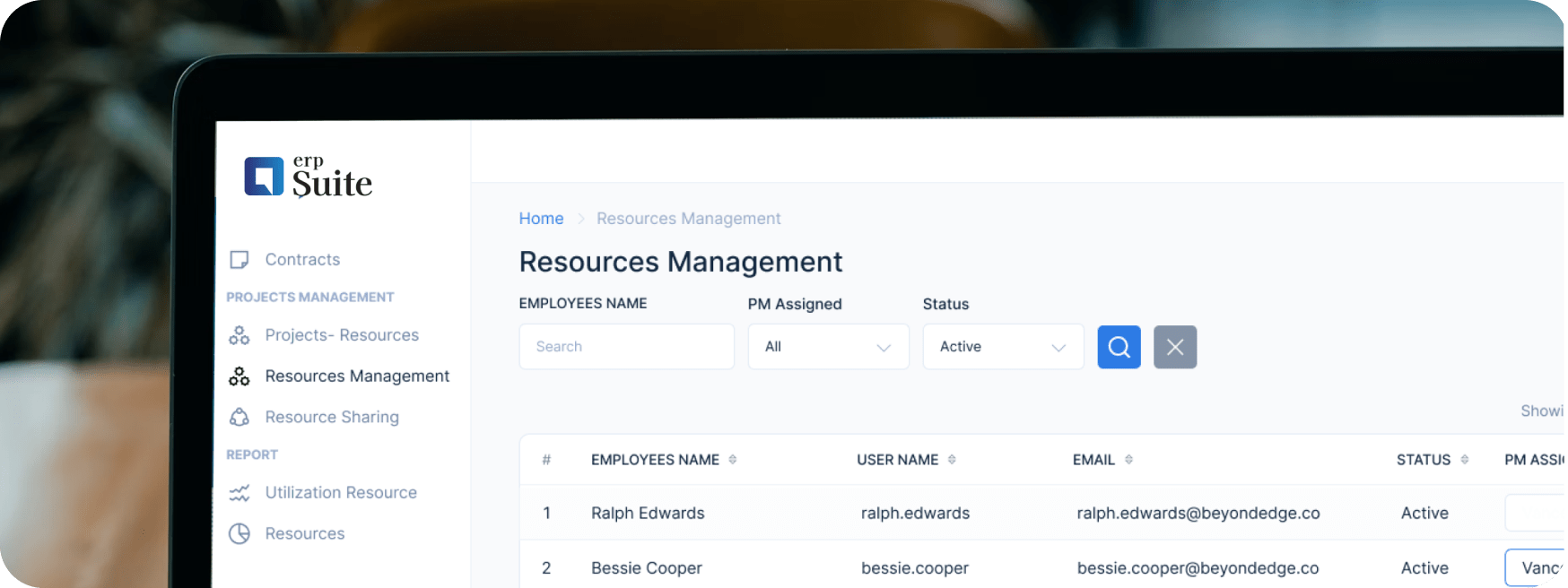
3. Why Southeast Asian Enterprises Need ERP Now
For businesses in Singapore and Vietnam, ERP adoption is no longer optional:
- Rapid economic growth demands scalable systems.
- Regional expansion requires multi-language and multi-currency support.
- Governments increasingly expect compliance and digital transparency.
By implementing ERP, enterprises avoid fragmentation and prepare for sustainable growth in fast-moving markets.
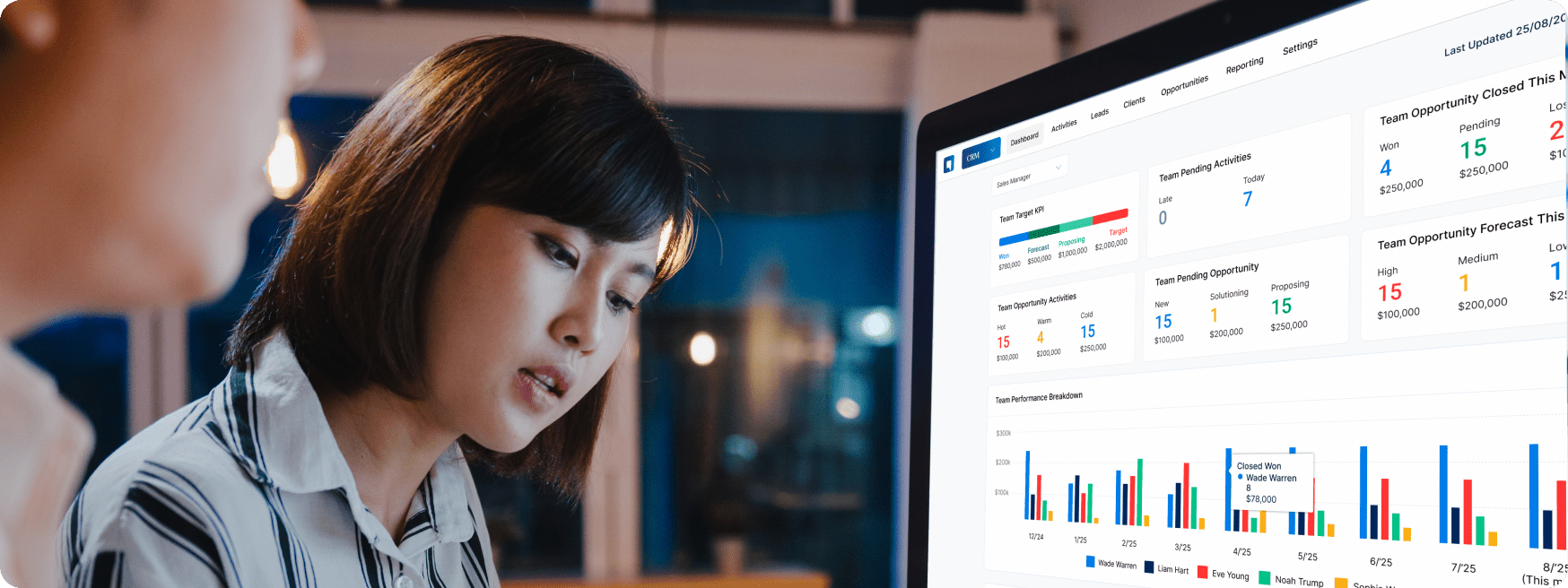
4. Cloud + AI: The Future of ERP
Modern ERP is no longer confined to on-premise servers. With cloud-native ERP, enterprises gain:
- Flexible scaling as the business grows
- Lower upfront IT costs
- Secure, global accessibility
- AI-driven forecasts improve supply chain planning.
- Chatbots streamline HR and customer support.
- Predictive maintenance reduces downtime in manufacturing.
At BeyondEdge, we integrate ERP with AI-led tools so enterprises can stay one step ahead.
Conclusion
ERP is not just software—it’s the engine that powers modern enterprises. By connecting systems, driving efficiency, and enabling smarter decisions, ERP helps companies scale confidently in 2025 and beyond.
At BeyondEdge, we specialize in designing ERP systems tailored to enterprise needs in Singapore, Vietnam, and Southeast Asia—helping leaders transform complexity into growth.
Ready to start your digital journey?
Explore our solutions at BeyondEdge.co and discover how ERP can accelerate your business journey.
“Digital transformation” has become a buzzword in boardrooms across Singapore, Vietnam, and beyond. But what does it really mean? For some, it’s moving to the cloud. For others, it’s about ERP or AI. The truth is: digital transformation is not about chasing the latest tech—it’s about building scalable systems that support your business goals.
In this article, BeyondEdge, a trusted IT services provider in Singapore and Vietnam, breaks down what digital transformation truly means for enterprises in 2025.
1. Digital Transformation Starts with Strategy, Not Technology
Many enterprises rush into adopting new software without a clear purpose. Real digital transformation begins with business strategy alignment.
Ask first: What problem are we solving?
- A logistics company in Vietnam might adopt ERP to gain real-time visibility across supply chains.
- A financial services firm in Singapore might implement AI to reduce fraud detection time.
At BeyondEdge, we help enterprises connect business goals with the right technology stack—not the other way around.

2. ERP and System Integration Are the Backbone
Fragmented systems are one of the biggest obstacles enterprises face. CRM here, accounting system there, a few AI tools running in silos—the result is inefficiency and data chaos.
The solution? Integrated ERP systems and enterprise IT solutions.
- ERP unifies finance, sales, HR, and operations.
- AI tools automate manual workflows.
- Cloud solutions enable flexibility and scale.
- ISO/IEC 27001 certified security frameworks safeguard sensitive data.
This integration empowers leaders to make faster, data-driven decisions.
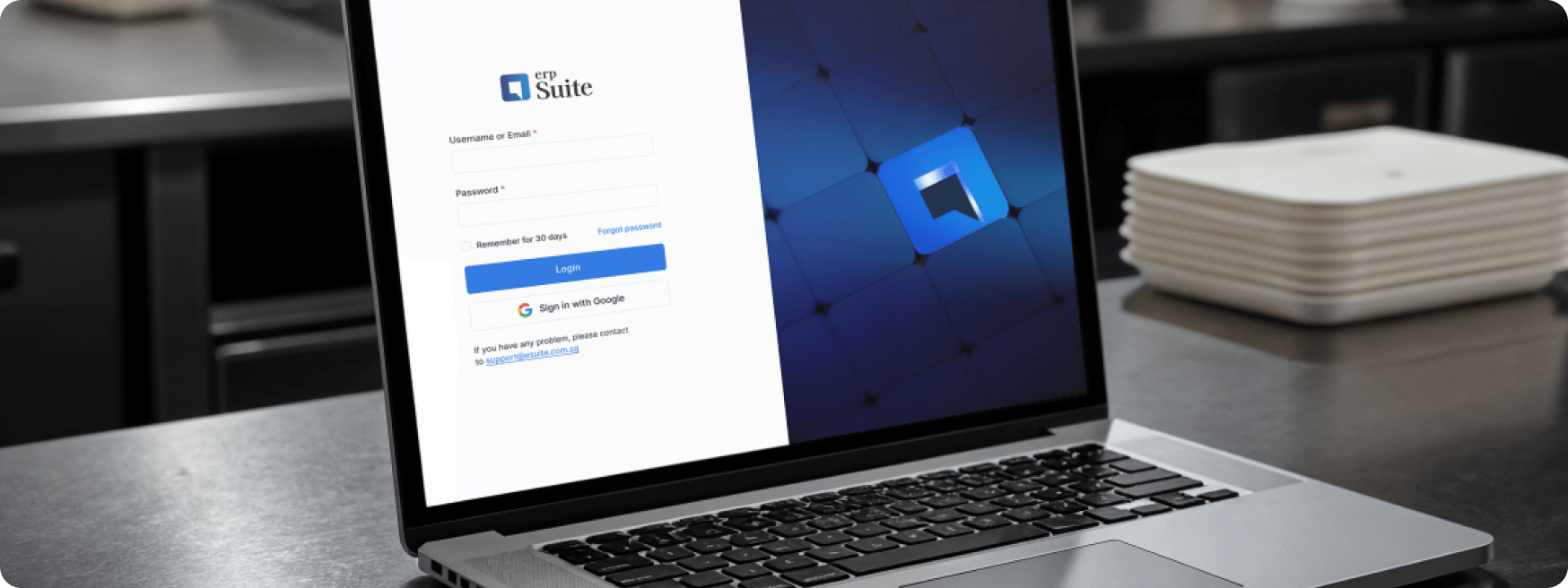
3. Culture Transformation Is Just as Critical
Digital tools alone cannot transform a company. Without cultural change, even the best ERP or AI systems will fail.
Enterprises need to:
- Upskill employees with digital literacy training.
- Communicate clear roadmaps for system changes.
- Build a mindset that sees technology as an enabler, not a threat.
At BeyondEdge, we emphasize change management alongside IT implementation to ensure long-term adoption.

4. Measurable Business Outcomes Define Success
The success of digital transformation is not in the tech—it’s in the outcomes. Enterprises leading in 2025 measure transformation by:
- Reduced operational costs.
- Faster decision-making cycles.
- Improved customer experiences
- Revenue growth from new digital channels
Every BeyondEdge project is designed with KPIs linked to business outcomes, not just IT metrics.

5. The Future: AI, Offshore Development, and Global Scalability
Looking ahead, enterprises in Southeast Asia and globally will gain a competitive edge by adopting:
- AI-driven insights → Predictive analytics, smarter forecasting, automation.
- Offshore Development Centres (ODCs) → Flexible, cost-efficient teams in Vietnam and beyond that accelerate innovation.
- Cloud-native ERP & digital infrastructure → Scalable systems that grow with your business.
BeyondEdge helps enterprises leverage these tools to scale securely and strategically in the digital era.
Conclusion
In 2025, digital transformation is not just about technology adoption—it’s about strategy, integration, culture, and measurable outcomes.
At BeyondEdge, our mission is clear: to help enterprises in Singapore, Vietnam, and across Asia move beyond buzzwords and achieve transformation that lasts.
Ready to start your digital journey?
Connect with our consultants at BeyondEdge.co to discover how we can build scalable, future-proof solutions for your business.
- 1
- 2