Why AI Agents Fail Without Context And What It Means for Workforce Performance
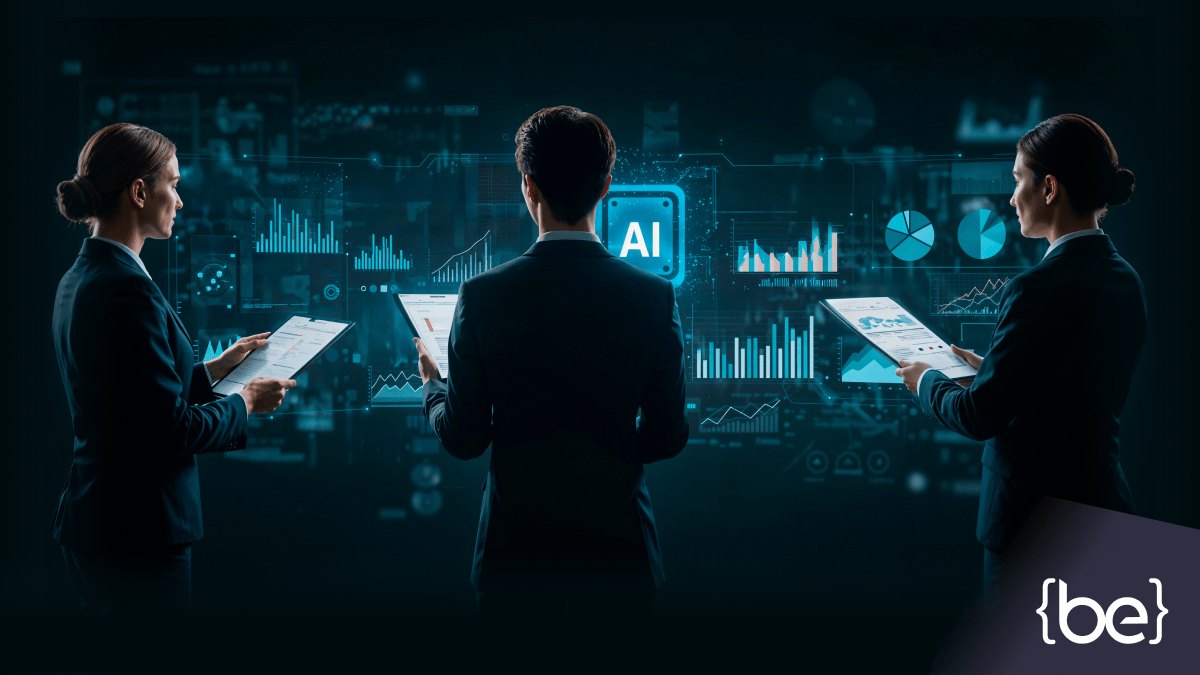
AI agents are quickly becoming a core part of modern software development and business operations. From automating workflows to supporting decision-making, they promise significant gains in productivity. But in practice, many organisations are discovering a gap between expectation and reality.
AI agents don’t fail because the technology is not advanced enough.
They fail because they lack the right context, structure, and performance management systems to operate effectively.

The Rise of AI Agents in Modern Organisations
AI agents are designed to perform tasks autonomously, often powered by large language models and integrated into workflows, tools, and internal systems.
In theory, this enables:
- Automated execution of complex workflows
- Continuous task handling without constant human input
- Scalable productivity across teams
However, as organisations begin to scale AI usage, a new challenge emerges: performance inconsistency.
AI agents may perform well in simple tasks, but struggle with:
- Multi-step workflows
- Ambiguous instructions
- Evolving business requirements
This highlights a critical insight: AI agents are only as effective as the context they operate within.
The Hidden Limitation: Context Management
One of the most overlooked challenges in AI implementation is context management.
AI agents rely heavily on:
- Input data
- Historical interactions (memory)
- Clear task definitions and constraints
As tasks become more complex, context becomes harder to manage.
Without proper structure, AI agents may:
- Miss critical information
- Misinterpret instructions
- Generate inconsistent or low-quality outputs
This is particularly evident in software development environments, where tasks often span multiple systems, dependencies, and iterations. The result is not a failure of AI capability but a failure of system design.
From AI Output to Business Performance
When AI agents underperform, the impact goes beyond technical inefficiencies. It directly affects business outcomes:
- Increased rework and inefficiency
- Reduced trust in AI systems
- Slower execution and decision-making
Many organisations expect AI to deliver immediate value, but underestimate the infrastructure required to support it. As a result, AI becomes:
As a result, companies are caught between:
- Difficult to scale
- Inconsistently applied
- Underutilized across teams
This is where the conversation must evolve from tools to performance.
AI Agents Need Performance Management Just Like Humans
Interestingly, the challenges of managing AI agents mirror those of managing human teams. In traditional workforce systems, performance depends on:
- Clear goals and KPIs
- Defined responsibilities
- Continuous feedback and iteration
- Structured evaluation processes
The same principles apply to AI. To ensure consistent results, organisations must:
- Define performance metrics for AI outputs (accuracy, completion rate, efficiency)
- Build feedback loops to improve results over time
- Combine AI execution with human oversight where necessary
- Continuously refine workflows and instructions
AI is not replacing performance management, it is extending it into a new domain.

The Real Gap: Execution and System Design
Despite growing investment in AI, many organisations still approach it as a tool adoption problem. In reality, it is an execution and system design challenge.
Common gaps include:
- Lack of structured frameworks for managing AI agents
- Poor integration between AI outputs and business workflows
- Limited resources to build and maintain AI systems
- Over-reliance on internal teams without scalable support
This leads to fragmented implementation where AI exists, but fails to deliver consistent value.
A More Scalable Approach: Structured and Flexible Execution
To unlock the full potential of AI agents, companies need a more structured and scalable approach. This includes:
- Designing systems that manage context effectively
- Establishing clear performance metrics
- Creating feedback loops between AI and human teams
- Scaling technical capabilities without overloading internal resources
This shift requires not just new tools but new operating models.
Execution, Not Technology, Will Define AI Success
As AI agents become more integrated into business operations, the defining factor of success will not be access to technology. It will be:
- How well systems are designed
- How effectively performance is managed
- How scalable execution models are implemented
Companies that treat AI as a standalone tool will struggle to scale. Those that treat it as part of a broader execution system will gain a lasting competitive advantage.
Conclusion: AI Agents Are Only as Strong as the Systems Behind Them
AI agents represent a powerful shift in how work is executed.
But they do not operate in isolation.
Without proper context, structure, and performance management, even the most advanced AI systems will fall short.
For organisations, the opportunity lies not just in adopting AI but in building the systems that allow it to perform consistently and at scale.
Build High-Performing AI Systems with BeyondEdge
AI agents alone don’t drive results, execution does.
BeyondEdge helps companies design, build, and scale AI-powered systems through flexible Offshore Development Centre (ODC) models.
Whether you’re:
- Developing AI-driven products
- Scaling engineering capabilities
- Or improving system performance
We provide the structure, talent, and scalability to help you execute with confidence.
Connect with BeyondEdge to build scalable, high-performing AI systems
More insights
How The Next Evolution Of ODC Models Leverages AI To Redefine Engineering Scalability
For years, Offshore Development Centres (ODCs) have helped businesses access global talent and scale technology capabilities without building large in-house teams.
Read more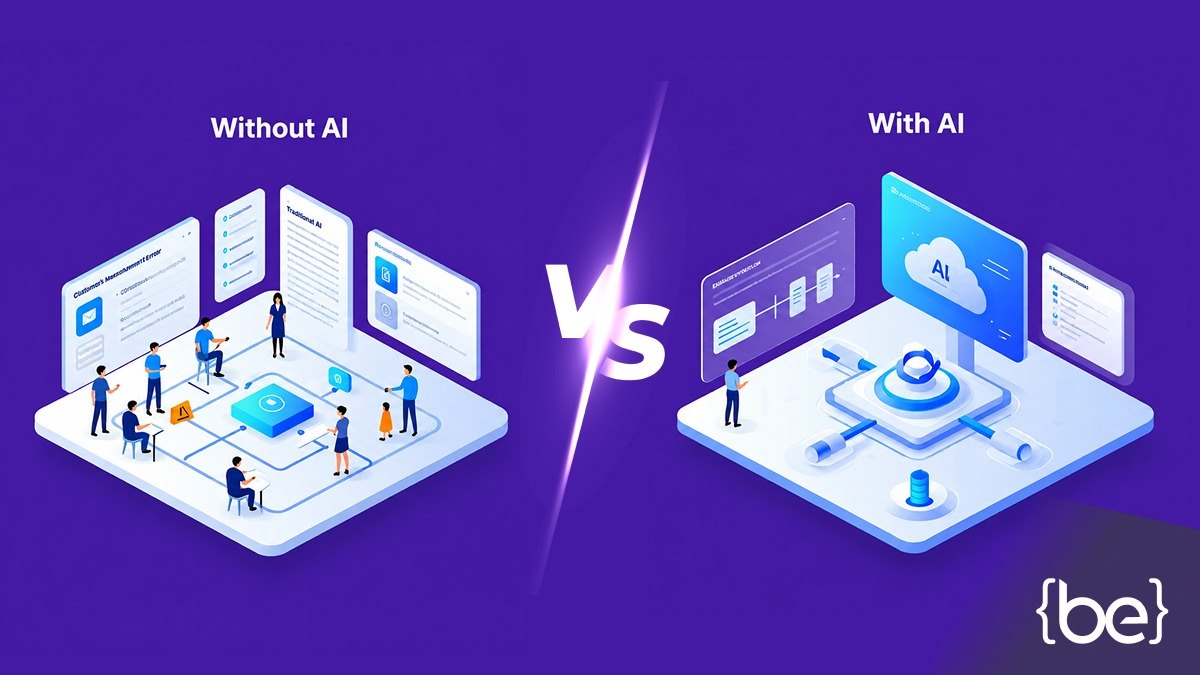
The Hidden Trap Of Scaling Your ODC Without AI Powered Operational Efficiency
Scaling software delivery is traditionally viewed through a linear lens: when the roadmap expands, the team must expand with it.
Read more
How ODC Models Are Solving the Scalability Limits of Traditional In-House Engineering
As technology becomes central to business competitiveness, companies face a fundamental structural decision: Should engineering capability be built entirely in-house, or expanded through an Offshore…
Read more