ERP vs. Traditional Business Software: Where’s the Real Difference?
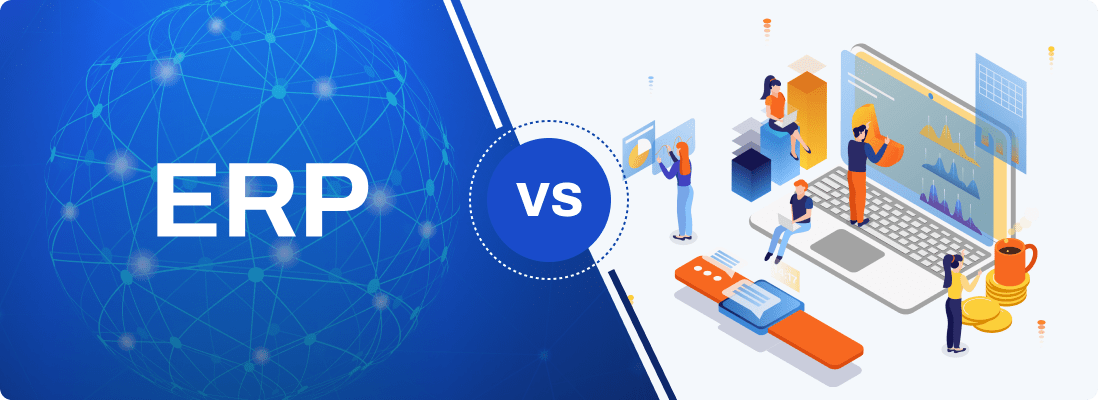
The real difference between ERP and traditional business software lies in integration, data visibility, and scalability. While traditional tools manage individual business functions in isolation, ERP connects finance, operations, sales, and data into a single system, enabling better control, real-time insights, and sustainable growth as businesses scale.
This is usually the moment when leaders begin asking a critical question:
Should we continue managing with disconnected tools, or is it time to move to an ERP system?
Understanding the difference between ERP and traditional business software is essential for making the right long-term decision.
1. System Integration vs. Standalone Applications
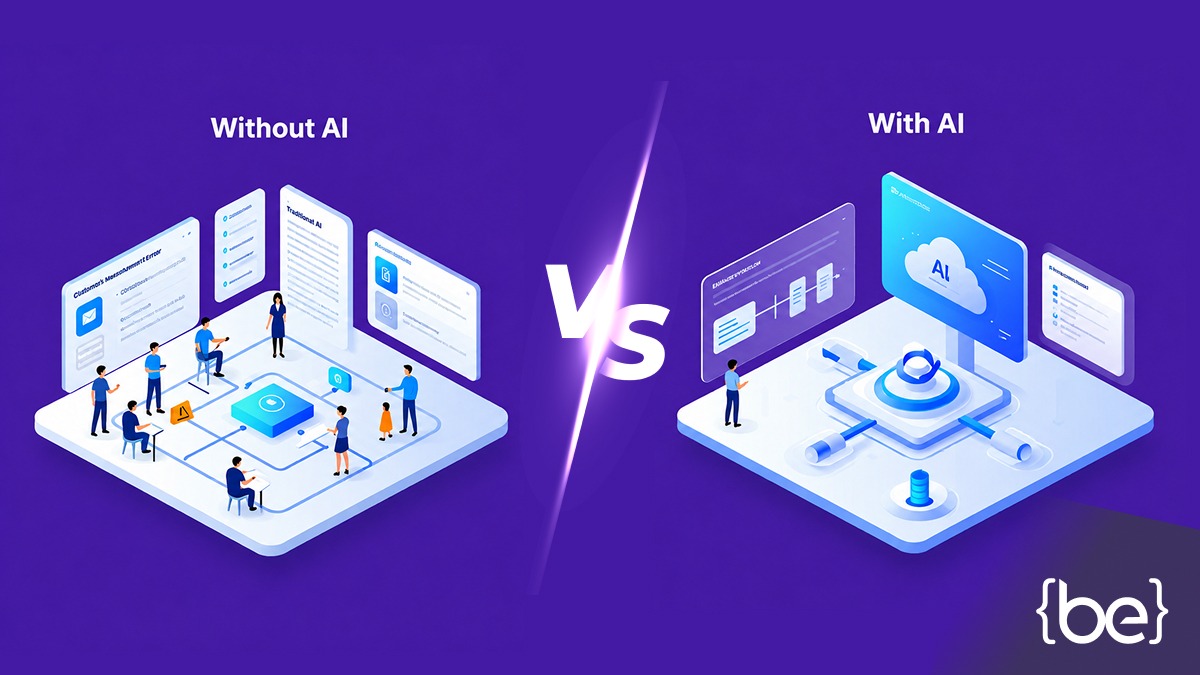
Traditional business software is typically designed to solve individual problems. One tool for accounting, another for customer management, another for inventory, and often spreadsheets to fill the gaps. Each system may work well on its own, but together they require constant switching, manual updates, and repeated data entry.
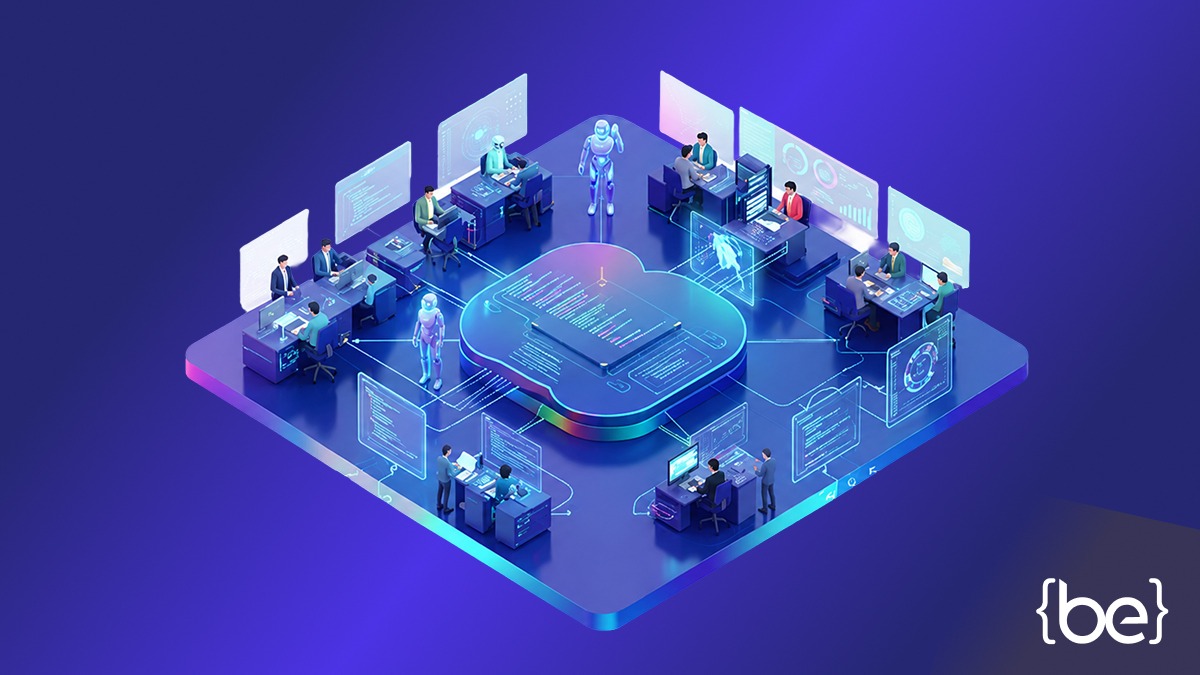
ERP, or Enterprise Resource Planning, takes a fundamentally different approach. Instead of separate tools, ERP provides a single, integrated system that connects core business functions such as finance, sales, procurement, HR, inventory, and operations.
The result is not just convenience. It is operational consistency. Teams work within one shared environment, using the same data, processes, and standards across the organization.
2. Real-Time Data Visibility vs. Information Silos
One of the biggest limitations of traditional software is fragmented data. Sales may close deals, but finance only becomes aware after reports are manually shared. Inventory levels may drop, but operations only notice when shortages begin to affect customers. Decisions are made based on delayed or incomplete information.
ERP systems eliminate this gap. Data flows automatically across departments in real time. When a sale is confirmed, revenue is recorded, inventory is updated, and management dashboards reflect the change instantly.
This real-time visibility enables faster responses, better coordination, and more confident decision-making. Instead of reacting to problems after they occur, businesses can anticipate and prevent them.
3. Scalability for Growth vs. Systems That Break Under Pressure
Traditional tools often perform well at a small scale. But as transaction volumes increase, teams grow, or new markets are entered, these systems begin to show limitations. Reports slow down, errors become more frequent, and operational friction increases.
ERP systems are designed with scalability in mind. Whether a business opens a new branch, expands across borders, or significantly increases headcount, ERP frameworks can adapt without disrupting core operations.
For fast-growing companies in Southeast Asia, where expansion often happens quickly, this scalability is not optional. It is a requirement for sustainable growth.

4. Stronger Control, Compliance, and Business Confidence
Business leaders need more than raw numbers. They need confidence in the accuracy of their data, assurance that processes are compliant, and transparency into how decisions are made.
Traditional software often provides fragmented views with limited control mechanisms. ERP systems, by contrast, offer structured workflows, built-in approvals, audit trails, and standardized reporting.
This level of control supports better governance, reduces risk, and ensures that leadership decisions are backed by reliable data rather than assumptions or manual reconciliations.
5. From Task Execution to Strategic Business Insight
At its core, traditional business software helps companies complete tasks. Record transactions, send invoices, manage contacts. While necessary, these functions are largely operational.
ERP goes beyond task execution. By consolidating data across the organization, ERP systems transform daily activities into actionable insights. Businesses can identify trends, forecast demand, optimize costs, and align operations with long-term strategy.
This shift from operational management to strategic intelligence is where ERP delivers its greatest value.
6. Total Cost of Ownership Over Time
While traditional software may appear more affordable initially, hidden costs often emerge over time. These include manual reconciliation, system maintenance, integration efforts, and operational inefficiencies.
ERP centralizes systems and processes, reducing long-term complexity and operational overhead. When evaluated over time, ERP often delivers stronger return on investment for growing businesses.
Where BeyondEdge Fits in the ERP Journey
Choosing ERP is not simply a technology decision. It is a strategic step toward building a more connected, scalable, and resilient organization.
This is where BeyondEdge comes in.
BeyondEdge works with businesses to help them transition from fragmented systems to integrated ERP environments that align with real operational needs and long-term goals. Rather than treating ERP as a standalone solution, BeyondEdge focuses on how ERP supports business strategy, governance, and sustainable growth.
For growing organizations in Southeast Asia, BeyondEdge emphasizes:
- Practical ERP adoption tailored to business scale and complexity
- Integrated systems that improve visibility across finance, operations, and leadership
- Scalable architectures that support expansion without added operational burden
- Data-driven decision-making built on reliable, real-time information
By focusing on both technology and business outcomes, BeyondEdge helps organizations move beyond operational limitations and build with confidence.
Final Thoughts
The real difference between ERP and traditional business software is not about features. It is about how a business operates, scales, and makes decisions.
Traditional tools help companies manage day-to-day tasks. ERP connects the entire organization into a single, intelligent system that supports long-term growth. With the right approach and the right partner, ERP becomes more than software. It becomes a foundation for clarity, control, and competitive advantage.
At BeyondEdge, ERP is seen not as an endpoint, but as a platform to help businesses move beyond today’s challenges and prepare for tomorrow’s opportunities.