How The Next Evolution Of ODC Models Leverages AI To Redefine Engineering Scalability
For years, Offshore Development Centers (ODCs) have helped businesses access global talent and scale technology capabilities without building large in-house teams.
Today, however, the challenge is no longer just access to talent. Businesses are under pressure to deliver faster, innovate continuously, and scale efficiently, all without significantly increasing costs or operational complexity.
As a result, organizations are beginning to evaluate ODCs differently. The question is no longer how many engineers a partner can provide, but how effectively those teams can deliver business outcomes.
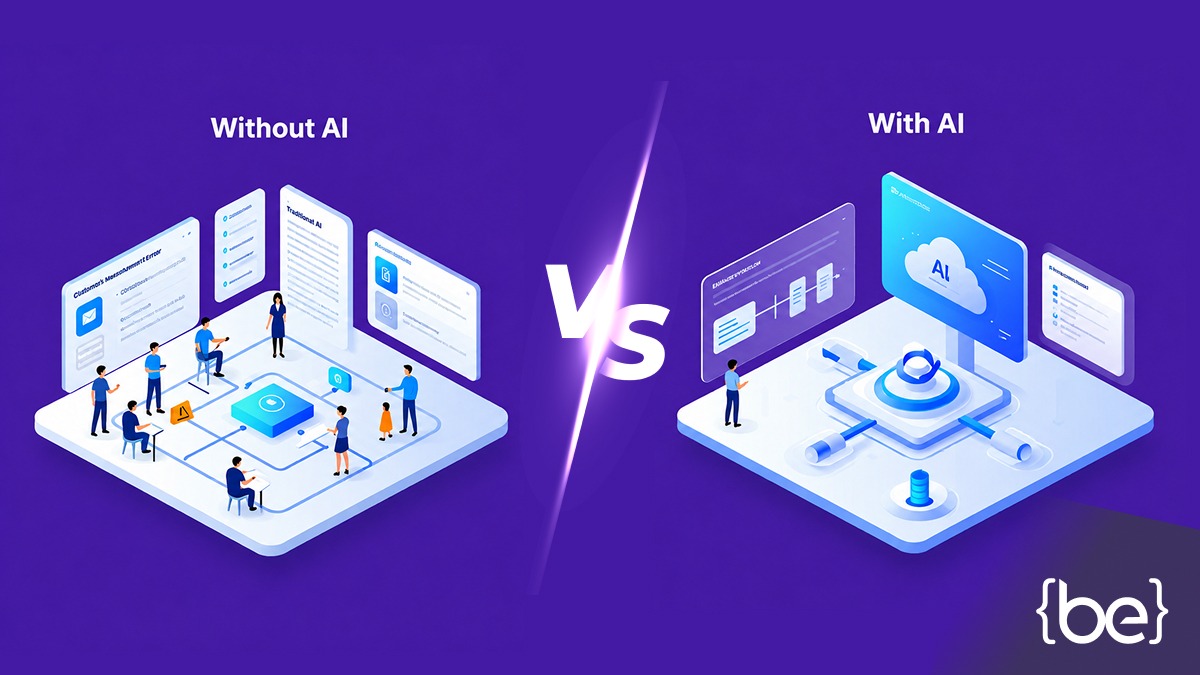
This shift is driving the next evolution of the ODC model: combining engineering expertise with AI-powered delivery to increase productivity, efficiency, and scalability.
Why the Traditional ODC Model Is Evolving
Software delivery followed a relatively straightforward formula: increase development capacity to increase output.
However, as digital transformation becomes central to business growth, this model begins to encounter diminishing returns. Larger teams often introduce additional communication layers, coordination challenges, and management complexity, slowing down the very initiatives they were intended to accelerate.
Today, businesses face mounting pressure to:
- Launch digital initiatives faster without sacrificing quality.
- Improve delivery efficiency across distributed teams.
- Adapt quickly to changing customer and market demands.
- Scale technology capabilities without proportionally increasing operational overhead.
For industries like logistics and F&B, these challenges are critical. Logistics organizations depend on real-time visibility, route optimization, fleet management, and supply chain coordination to remain competitive. At the same time, F&B businesses must continuously enhance digital ordering experiences, loyalty programs, and multi-location operations while maintaining consistency across hundreds of customer touchpoints.
In both cases, simply adding more developers is no longer the fastest path to growth; the path forward is AI-powered delivery.

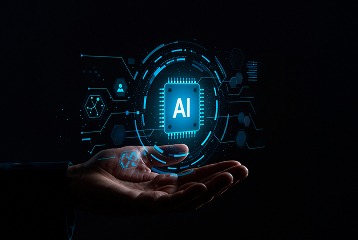
From Offshore Talent to AI-Powered Delivery
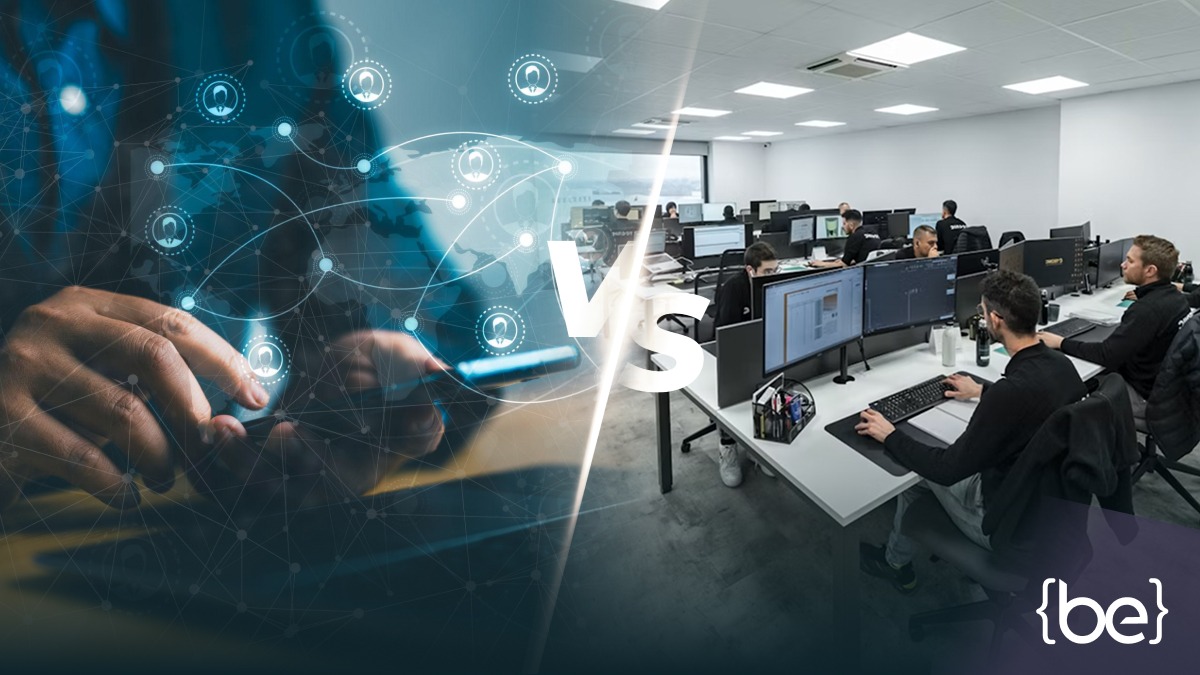
The traditional ODC model focused primarily on expanding capacity. The emerging model focuses on increasing capability.
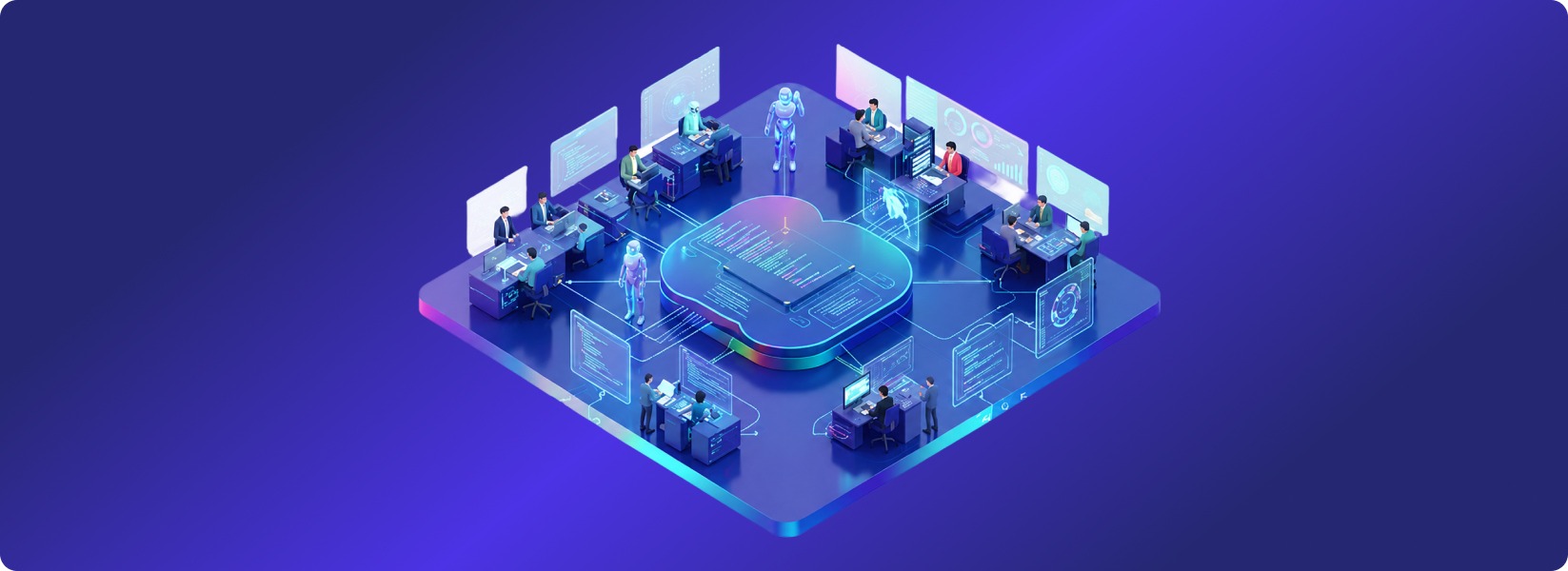
Rather than replacing engineering expertise, AI-assisted workflows enhance how software teams operate throughout the delivery lifecycle. By automating repetitive and time-consuming activities, teams can spend more time solving business problems and less time on manual execution.
AI-powered delivery can accelerate:
- Requirements analysis and solution design.
- Rapid prototyping and proof-of-concept development.
- Testing, quality assurance, and deployment processes.
- Documentation and knowledge management.
- Project planning and resource allocation.
By streamlining workflows, reducing manual effort, automating repetitive tasks, engineering teams can dedicate their focus to complex problem-solving and high-impact innovation, delivering more value without a proportional increase in team size.
Scaling Output Without Scaling Complexity
The benefits of AI-powered delivery become most visible when businesses need to scale technology initiatives rapidly. For example.
- In the logistics sector, launching a fleet management platform requires validating requirements, developing prototypes, testing functionality across multiple operational environments, and continuously adapting to changing business needs. AI-assisted workflows help shorten development cycles, reduce rework, and accelerate decision-making, allowing teams to respond more effectively to operational demands.
- For fast-food businesses, scaling digital ordering platforms, loyalty programs, and multi-location operations requires speed and consistency. AI-powered delivery helps streamline testing, deployment, and knowledge sharing, allowing teams to support growth without adding unnecessary operational complexity.
In both scenarios, the objective is not to replace human expertise, but to enhance the effectiveness of your engineering organization.
This is where AI-powered ODCs create a meaningful advantage. Instead of scaling through headcount alone, businesses can scale through improved productivity, better workflows, and more efficient delivery processes.
How BeyondEdge Integrates AI Across Delivery
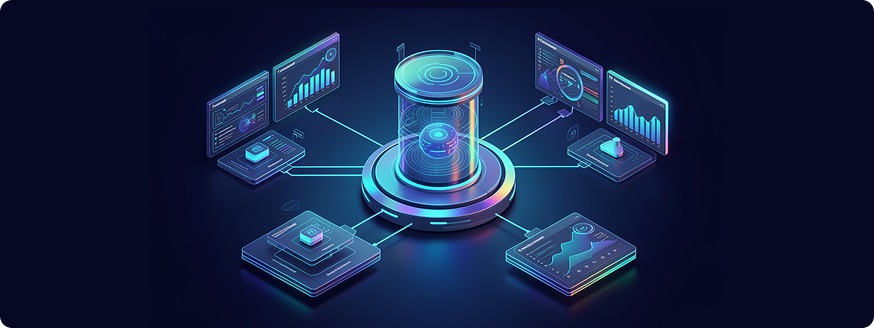
At BeyondEdge, AI adoption is not simply about introducing tools into the development process. It is about embedding AI capabilities directly into everyday engineering workflows.
To support this, we have established a dedicated enablement team focused on continuously equipping our developers with advanced AI capabilities. Instead of one-off training sessions, we follow a structured and ongoing methodology that ensures AI is consistently applied across the software delivery lifecycle.
This allows our engineers to accelerate delivery, improve solution quality, and scale more efficiently while maintaining strong engineering standards.
For our clients, this means immediate access to AI-augmented engineering talent without the need to invest time and resources in building internal AI capabilities from scratch.
In other words, BeyondEdge evolves beyond a traditional ODC provider into a productivity partner that scales engineering capability, not just headcount.
Final Perspective
The evolution of the ODC is no longer defined by geography or labor arbitrage. The next phase of growth is shaped by how effectively organizations integrate AI into their delivery models.
For businesses seeking to accelerate innovation while maintaining efficiency, AI-powered ODCs represent a fundamental shift in how technology capabilities are built and scaled. At BeyondEdge, we don’t just provide engineering capacity, we architect AI-integrated engineering extensions that help you build, scale, and lead in your market.
Ready to transform your engineering architecture? Connect with BeyondEdge today to explore how our AI-powered ODC model can unlock your next phase of growth.