The AI-Powered Enterprise: What Digital Transformation Looks Like in 2025–2026

In 2025 and beyond, digital transformation is no longer about digitizing processes – it’s about intelligently automating and predicting them. Artificial Intelligence (AI) has become the beating heart of modern enterprises, redefining how decisions are made, operations are scaled, and customers are served.
As global competition intensifies and businesses seek smarter ways to grow, enterprises across Southeast Asia are realizing one truth: the future belongs to those who can harness AI not just as a tool, but as a strategic advantage.
1. From Digital Transformation to Intelligent Transformation
The first wave of digital transformation was about shifting from paper to pixels – adopting ERP systems, CRMs, and cloud platforms to centralize and streamline operations.
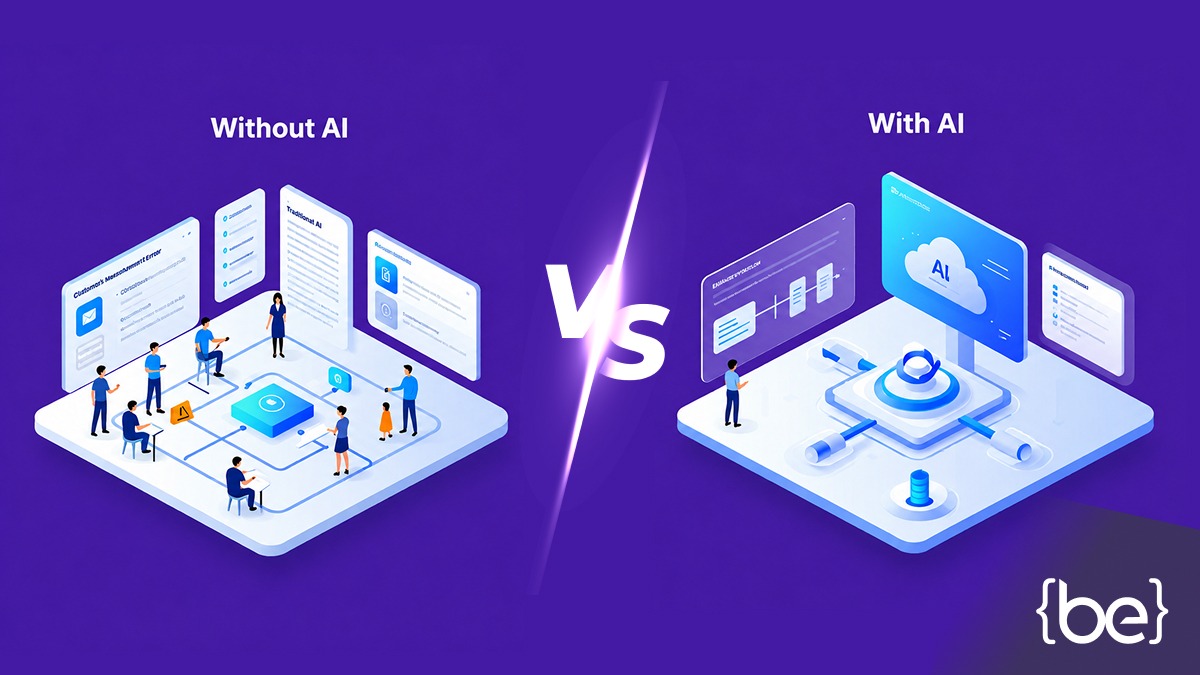
But in 2025–2026, that’s no longer enough. The new wave is intelligent transformation – systems that learn, adapt, and act without constant human direction.
Imagine an ERP that forecasts cash flow fluctuations, flags supply chain risks before they happen, or suggests project allocations based on performance data. That’s the AI-powered difference – a move from data management to data intelligence. That’s the AI-powered difference – a move from data management to data intelligence.
2. Predictive Is the New Productive
Modern enterprises are moving from reporting the past to predicting the future. AI’s predictive capabilities allow companies to anticipate market changes, customer behaviors, and resource needs in real time.
For instance, leading manufacturers in Singapore and Malaysia are using AI to predict equipment failures, reducing downtime by up to 40%. Financial firms leverage AI-driven analytics to detect fraudulent activities before they escalate. The message is clear: in 2025, being proactive is the new productivity.

3. Human + AI: The Collaborative Advantage
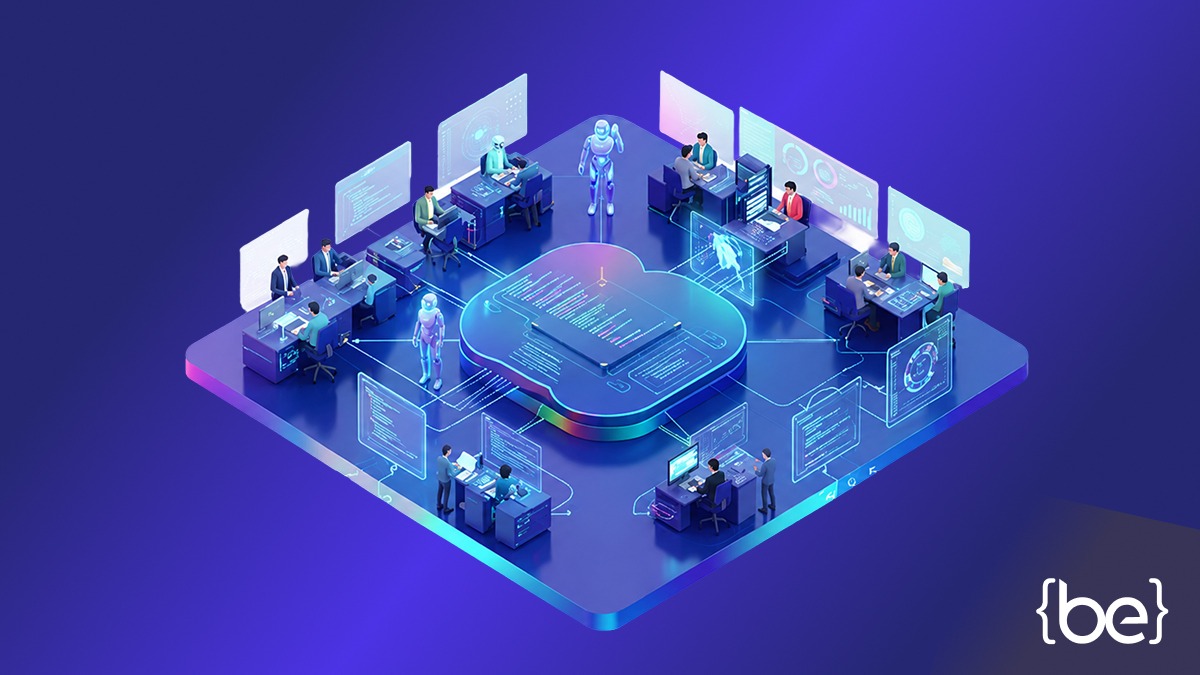
Contrary to the fear that AI will replace humans, the most successful enterprises in 2025–2026 are those that design workflows around AI-human collaboration.
AI handles the repetitive – sorting, scheduling, data entry – while humans handle the strategic – judgment, creativity, relationships. This synergy not only boosts productivity but also creates more meaningful work.
Employees can focus on innovation while AI ensures the foundation runs seamlessly in the background.

4. Southeast Asia: A Region Ready to Leap
Southeast Asia is uniquely positioned to lead the next AI transformation wave.
With strong digital adoption, young workforces, and government initiatives supporting smart manufacturing, logistics, and fintech – the region has the agility to integrate AI faster than mature markets.
From Vietnam’s AI – powered logistics startups to Indonesia’s smart retail platforms, regional enterprises are proving that innovation doesn’t depend on size – but on mindset.

5. What This Means for Businesses Today
The message for business leaders is simple:
-
AI is no longer a “future investment.” It’s the infrastructure of your competitiveness
-
Enterprises that start integrating AI across their ERP, CRM, and analytics systems today will define their industries tomorrow.
-
The transformation journey begins not with massive change, but with data readiness, strategic alignment, and the right technology partners – ones that understand how to merge intelligence with enterprise reality.
The Future Is Learning
As we move into 2026, enterprises won’t just be digital they’ll be intelligent ecosystems that continuously learn and improve.
The businesses that succeed will be those that treat AI not as a cost, but as a core capability – one that shapes every process, decision, and customer interaction.
At BeyondEdge, we believe digital transformation isn’t just about keeping up – it’s about staying ahead. And in the AI era, the edge truly belongs to those who think beyond.