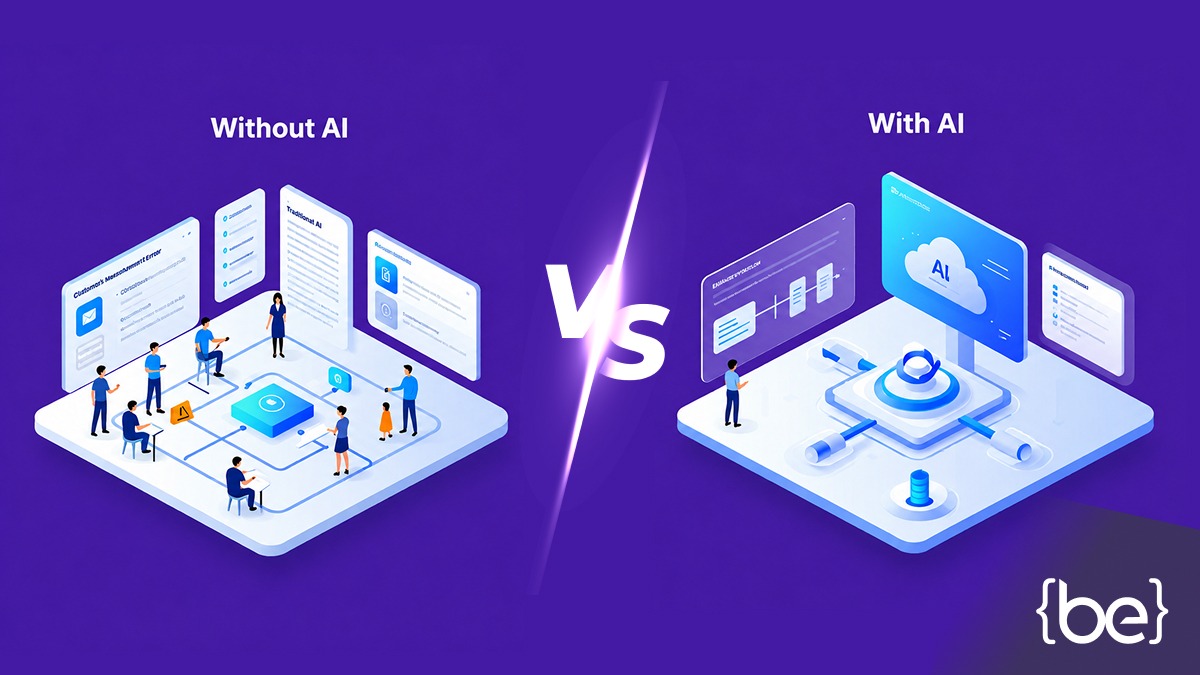
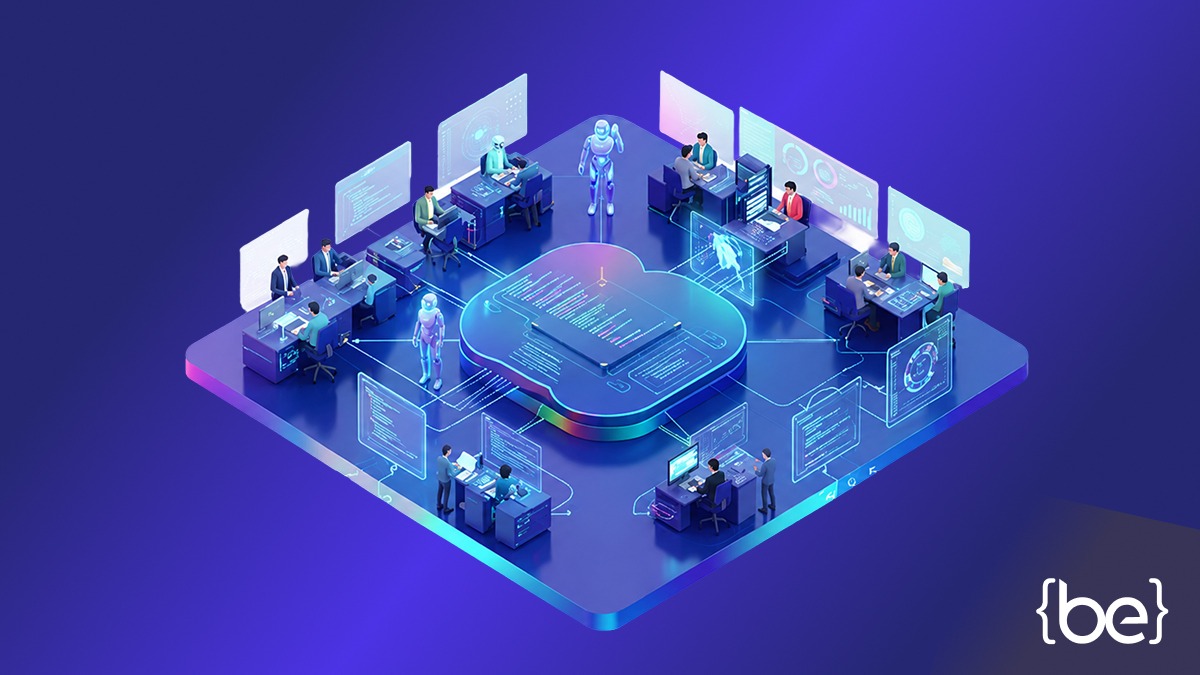
How ODC Models Are Solving the Scalability Limits of Traditional In-House Engineering
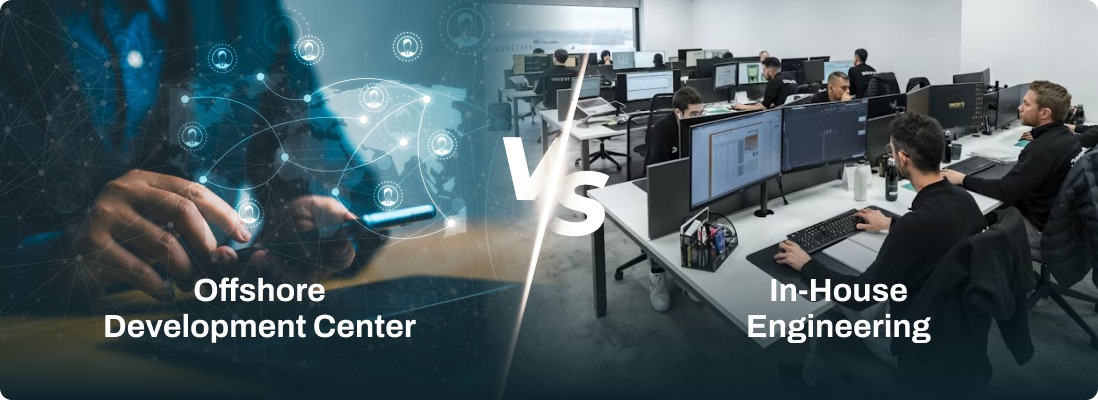
As technology becomes central to business competitiveness, companies face a fundamental structural decision: Should engineering capability be built entirely in-house, or expanded through an Offshore Development Center (ODC)?
The debate around ODC vs in-house development is not about geography. It is about operating architecture.
Both models can produce high-performing engineering teams. Both can deliver complex systems. However, their impact on scalability, governance, cost structure, and long-term institutional strength differs significantly.
For CTOs, founders, and enterprise leaders, the question is no longer which model is cheaper.
The real question is: Which model strengthens engineering capability over the next five years? This guide provides a structured, strategic comparison.
Key Takeaways
- Traditional in-house engineering becomes slower and more operationally expensive as teams scale.
- ODC models improve scalability through broader talent access and more flexible expansion capacity.
- Long-term engineering performance depends more on structural continuity and scaling efficiency than location alone.
ODC vs In-House Engineering: What Sets Them Apart
| Strategic Dimension | In-House Development Team | Offshore Development Center (ODC) |
|---|---|---|
| Engineering Scalability | Limited by local hiring market | Global talent access enables rapid scaling |
| Governance Model | Fully internal management | Shared governance with integrated KPIs |
| Talent Strategy | Local recruitment focus | Global talent strategy and distributed development |
| Knowledge Retention | Strong if retention stable | Strong when long-term and dedicated |
| Cost Structure | High fixed structural cost | Lower structural cost with scalable expansion |
| Speed to Market | Dependent on recruitment timeline | Faster ramp-up and parallel execution |
| Long-Term Growth Support | Effective for stable teams | Designed for sustained engineering growth |
1. Traditional In-House Engineering Starts Slowing Down at Scale
In-house engineering provides strong organizational alignment and centralized oversight. However, the model becomes increasingly difficult to expand as organizations grow.mThe challenge is not just salary inflation.
As engineering teams scale, companies also face:
- Longer recruitment cycles
- Higher competition for specialized talent
- Growing operational overhead
- Increased retention pressure
- Slower onboarding and expansion speed
Over time, engineering growth becomes constrained by hiring capacity rather than business ambition itself.
Where Scaling Pressure Starts Appearing
A product company expanding across multiple markets may plan to double its engineering team within a year.
Even with budget approval, hiring delays and limited talent availability can slow product delivery and create operational strain across existing teams.
At that stage, the issue is no longer simply adding more engineers. It becomes a question of whether the engineering structure itself can continue expanding efficiently.


2. ODC Models Create More Scalable Engineering Capacity
An Offshore Development Center changes how engineering expansion works.
Instead of relying entirely on one local talent market, organizations build dedicated offshore teams integrated into internal product operations and delivery workflows.
The advantage is not simply lower employment cost.
The bigger advantage is the ability to expand engineering capacity without proportionally increasing operational complexity.
ODC models help companies:
- Expand teams faster
- Access broader specialized talent pools
- Reduce dependency on local hiring limitations
- Scale delivery without proportionally increasing operational burden
What Many Growth-Stage Companies Eventually Experience
A growth-stage technology company may struggle to hire cloud or AI specialists quickly enough in a single geography. Through an ODC structure, the company can continue scaling engineering capability while keeping product strategy and governance centralized internally.
The result is not just faster hiring. It is more sustainable engineering growth.
3. Long-Term Engineering Performance Depends on Structural Continuity
Many organizations still evaluate ODC vs in-house engineering primarily through cost comparison. However, the bigger difference often appears over multiple growth cycles.
Over time, engineering performance is shaped less by team location and more by how consistently organizations can retain knowledge, expand delivery capacity, and sustain product momentum.
Long-term engineering performance depends on:
- Delivery continuity
- Hiring speed
- Knowledge retention
- Team stability
- Ability to scale without slowing product momentum
Organizations that cannot expand engineering capacity fast enough often experience delayed product releases, slower iteration cycles, and growing delivery pressure internally.
When In-House Development Is Still the Right Choice
In-house development is preferable when:
- Engineering teams are small and tightly integrated
- Product experimentation requires daily close collaboration
- Intellectual property sensitivity is extremely high
- Regulatory requirements restrict distributed operations
For stable environments with manageable scale, centralized engineering structures can still operate effectively.
When an ODC Becomes a Strategic Advantage
An Offshore Development Center becomes increasingly valuable when:
- Technology is central to competitive positioning
- Product development is continuous and long-term
- Local hiring constraints slow expansion
- Specialized expertise is required over multiple years
- Scalability and resilience are strategic priorities
In these environments, ODC models function less like cost-saving mechanisms and more like scalable engineering infrastructure.
The BeyondEdge Approach
The decision between ODC vs in-house development is ultimately a strategic operating model decision, not simply a hiring tactic. In-house engineering strengthens centralized control and internal cohesion. ODC models strengthen scalability, talent flexibility, and long-term expansion capacity.
At BeyondEdge, Offshore Development Centers are designed as long-term engineering extensions aligned with business objectives, operational continuity, and scalable product growth.
As technology becomes increasingly central to business competitiveness, companies that build engineering structures around scalability and execution efficiency will be better positioned to sustain innovation over time.
Connect with BeyondEdge to explore a scalable engineering growth model!